
MediaTek’s Kompanio Ultra chip pits Chromebooks against Copilot PCs
MediaTek has today launched a new silicon for Chrome OS devices, one that puts it roughly in the same performance league as the Copilot+ PCs hawked by Windows ecosystem players. The latest from MediaTek is the Kompanio Ultra, a top-of-the-line processor that takes an all-big-core approach to deliver flagship performance.
The big bet behind all that firepower? AI, of course. To that end, the chip is touted to deliver 50 TOPS of AI processing power. For perspective, Qualcomm’s top-end Snapdragon X Elite silicon maxes out at 45 TOPS, and similar is the baseline that Microsoft has set for processors supplied by AMD and Intel for Copilot+ machines.
The cores at play here follow the newest Armv9 CPU architecture, arranged in a tri-cluster format. Leading the charge is a prime Cortex-X925 core with a peak frequency of 3.62GHz. Tagging alongside are a trio of Cortex-X4 cores and four Arm Cortex-A720 cores.
All the firepower in the world
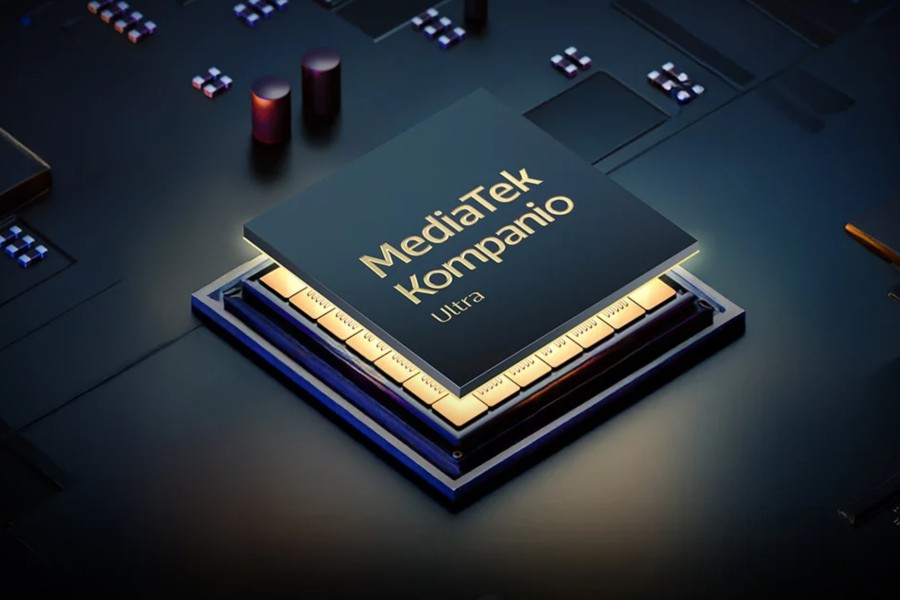
In terms of standout capabilities compared to other Kompanio processors in the 8xx and 5xx series, the Ultra (9xx series) silicon enables on-device AI processing. Think of it as the same approach as the one Google deploys for Gemini Nano to run locally on the Pixel smartphones.
The net benefit is faster output at tasks like image generation, less latency, and data security. MediaTek touts capabilities such as on-device image and video generation, support for small and large language models (SLM and LLMs), and improved resource allocation for AI tasks, thanks to an improved AI accelerator chip.
It’s the first MediaTek Kompanio series silicon that can support dual 4K external monitors. It also enables support for fast LPDDR5 memory with a peak bandwidth of 8,533 Mbps and the UFS 4.1 storage standard.
Going all-in for Chrome OS
On the graphics front, Arm’s Immortalis-G925 MC11 runs the show, opening the doors for features such as 10-bit 4K 60fps video encoding and decoding. Based on TSMC’s second-gen 3-nanometer process node, the GPU aboard the Kompanio Ultra silicon supports ray-traced visuals for gaming.
There’s also a dedicated Hi-Fi Audio DSP for high-res audio output and enabling support for tricks like low-power, always-on standby mode for summoning voice assistants. On the connectivity front, it again goes for summit by embracing WiFi-7 (up to 7.3Gbps) and Bluetooth 6.0 standard.
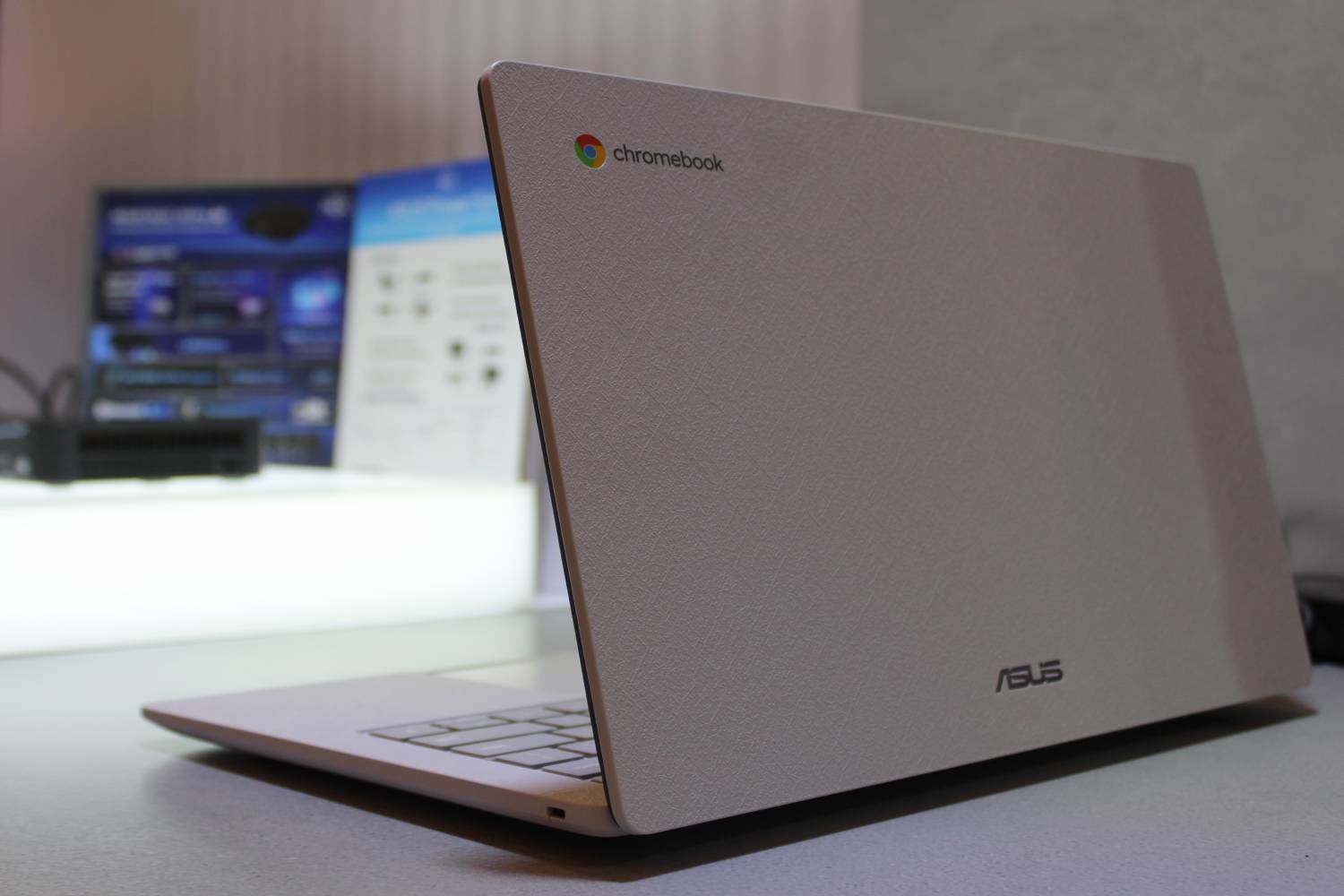
MediaTek says the first Chrome OS devices powered by the Kompanio Ultra processor will hit the shelves in the coming months. It would be interesting to see if they can undercut Copilot+ PCs in the lower-end segment and push Gemini-powered Chromebooks into the AI computing mainstream.